NEWS & EVENTS
Children at the Heart: Suzanne, Director of Quality, Continuous Improvement and Safeguarding
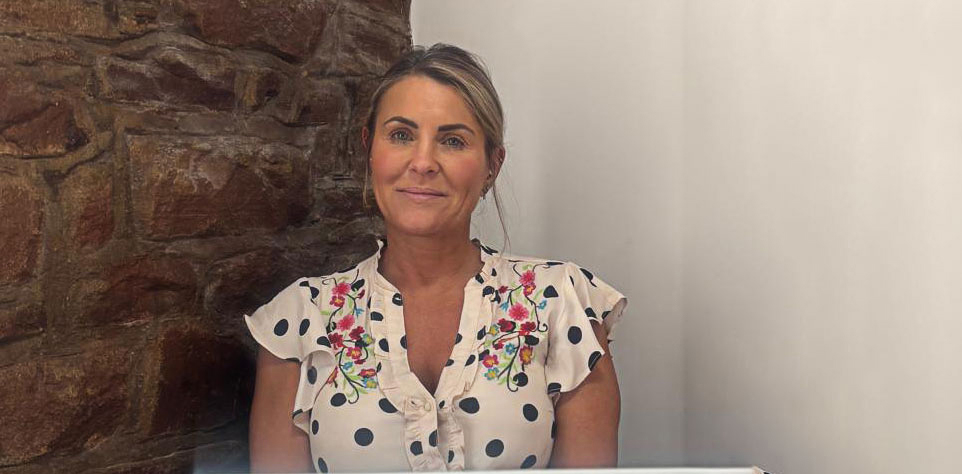
When Suzanne Kinder joined Wilderness Way as our Director of Quality, Continuous Improvement and Safeguarding, she brought with her more than 30 years of experience working with children and families across the social care sector. But more than that, she brought a deep-rooted belief in the power of relationships, belonging and creating homes where children feel safe, valued and able to thrive. Her role focuses on strengthening quality and safeguarding across our children’s homes, ensuring every young person receives the care, safety and support they deserve.
In this conversation, Suzanne reflects on the journey that led her into children’s services, what “quality” looks like through a child’s eyes, and why keeping children at the heart of every decision will always guide the way she leads.
What first drew you to working in children’s services, and how has that shaped you today?
“From being a small girl, I always knew I was “Mother Earth.” My interest in babies meant that I had an array of baby dolls that lived in my bedroom with me and all had names. They were fed, dressed, loved and played with until we all went to bed. As I grew older, I became the neighbourhood “female Pied Piper” – wherever I was, the local children would be there, and that led to my babysitting duties. So, it was no surprise that I studied Childhood Studies at school and when I left school, I went on to train as a Nursery Nurse.
I began my 30-year career in social care at that time as a Nursery Nurse, caring for children who were then on the child protection register. It was my first real introduction to the higher end of the continuum of need for support services for children and families, children at risk of harm. The nurturing care and support that we offered to children still living within their families was compelling, and it was heavily linked to living in high deprivation and poverty.
I quickly developed an understanding of how this profoundly hindered child development and family wellbeing, causing poor physical health (e.g. poor dental health and malnutrition), mental health issues for parents (anxiety and depression), educational underachievement and long-term economic disadvantage. Children also experienced stigma, bullying, feelings of being unsafe and a higher risk of criminal exploitation.
The passion, commitment and dedication that grew within me to support these children and families felt innate, and from this time onwards it has shaped me into the practitioner and person I am today. I have had the opportunity to work with children and families at every level of the spectrum of need and it has been a real privilege.”
When you think about “quality”, what does that look like through a child’s eyes?
“When a child is not able to live with their own family, for whatever reason, they deserve to live in a quality home that is filled with love and a sense of belonging, a home where they feel safe. A calm, predictable home filled with a team who are safe and have been recruited well; they are trained, skilled and work well together. A team that is good at developing relationships with them and who pay them positive attention, offer them play, a wide range of activities and access to safe outdoor space where they can be adventurous, curious and exploratory.
The home is a place for them to learn. They have someone to assist them with homework, who will listen to them and respond with patience.
Children deserve a lovely, clean and well-presented home, filled with photographs, personal belongings and, if possible, drawings on the fridge, a place they can call ‘home’. A comfortable and warm bed, working facilities and good lighting, a home that is clearly cared for. A home that has a dedicated and passionate Registered Manager who ensures the Children’s Homes Regulations and Standards are met.
Children need routine and structure; they need their everyday life to be predictable because that helps them feel secure. They need regular staff, mealtimes and consistent bedtimes, with fair and clear rules from those who care about them.
A home where they can make mistakes but be encouraged to learn from them and make better choices next time. Where there is low conflict and where relationships are positive. They deserve to feel safe so they can thrive and be the best versions of themselves.”
Was there a particular moment in your career that confirmed this was the work you were meant to do?
“Relational and systemic practice for me has always been a fundamental part of choosing to do this work. My relationships and interactions with children and the whole family system were often so impactful that, in many cases, they brought about significant change to their situations, allowing families to continue living together.
Relationships based on trust and mutual respect, where we worked through challenging times and had difficult conversations. We celebrated successes and I offered support when things were hard.
Not every situation meant change was positive and sustainable, but in those circumstances I ensured children were always safe and placed at the heart of every decision I made.”
What was it about Wilderness Way that made you feel this was the right next step for you?
“I had a mid-life re-evaluation of my career. The role I was working in meant that I was in a lot of meetings and, although they were important meetings about lots of children in care, I felt like I wanted to make a bigger impact a bigger difference for fewer children. I wanted a role that had visible positive outcomes for children, where I could meet them, form relationships and understand their lived experiences, rather than always sitting behind a desk.
When I started to look for exciting opportunities, I came across the role of Quality Director at Wilderness Way and wanted to know more about the company. I couldn’t believe how Wilderness Way aligned with my values. Beautiful homes, out in nature, therapeutically led and outdoor focused.
I wanted to know more and more, from looking at the website, social media platforms, talking to the recruiter, then Ashley (COO) and Jo. At that point I knew I had found the role for me, and I was delighted to join in February.”
What do you hope children and young people in our homes will feel and experience?
“That they will feel safe and secure, both physically (through being protected) and emotionally, in that they feel loved and have a sense of belonging because they feel accepted and valued as individuals through the care and support they receive. That they will have predictable routines given by consistent caregivers who provide them with stability. That they develop trust by having reliable caregivers that listen to their opinions and feelings, no matter what, and take them seriously.
That they have improved self-esteem through caregivers offering positive reinforcement and support to understand and manage their big feelings so they can regulate them. Caregivers who understand trauma and can support them to be less fearful and withdrawn and to have hope for the future, believing in their own potential.
That they are encouraged to learn and grow academically and succeed in education. That they develop social skills through healthy peer relationships. They will gradually build life skills in a safe environment and, through overcoming challenges with support, develop resilience.
Through nurture, structure, advocacy and genuine connection, over time the care and support we provide will help to repair earlier harm and support healthy emotional, social and cognitive development so that they can become the best version of themselves.”
How do you make sure that behind every policy or process, there’s still heart and compassion?
“Strong safeguarding cultures are built on placing children at the heart of everything we do. Keeping children at the heart means moving from adult-centred systems to child-centred practice.
Children have rights; rights under the Children Act 1989 and 2004, as well as the United Nations Convention on the Rights of the Child. Co-producing policies and procedures with children means we can listen to them, their views, and what they would like to see, so they can challenge any decisions safely. Moreover, we can help them to understand why we may have to include something they may not like, but present it in a way they understand.
A test for me when writing policy or procedure is to ask myself: where does the child’s voice appear in this? How could a child influence this process in practice? If this policy worked, how will a child’s experience improve? I would want to design every process around children’s safety, their voice, their dignity and their development.”
What do you believe makes a house truly feel like a home?
“A home is not just a building, it’s the people who live and work within it. Consistent and predictable staff are key to making it a home for every child. They need to show genuine affection and warmth, hold their child in mind always, prepare their favourite food, run them a bath, play their favourite music and watch their favourite show with them.
Each child gets the opportunity to decorate their bedroom, choose their bedding, put up posters and pictures. Their belongings are on display, we want them to say, ‘this is my home, my space.’
Everyone eats together around the table, cooks meals, bakes, celebrates everyone’s birthday, does activities together and celebrates everyone’s achievements, we want them to say ‘I belong here’.
There are clear boundaries in place and trauma-informed responses to behaviours without humiliation. Individual privacy is respected, we want children to feel relaxed, not on guard.
A positive home balances nurture with growth. So the adults believe in their child’s future, their educational achievements and aspirations.”
How do you support and inspire teams who do such emotionally demanding work every day?
“Inspiration comes from what I do consistently, how I model best practice, prioritise what’s important at that time and protect wellbeing. The role of caring for children who require a higher level of care and support can be very demanding, and staff burn out when they feel unsupported, blamed or unseen. They thrive when they feel purposeful, are appropriately skilled and are psychologically safe and these elements form my commitment to them as a leader.
As leaders, we need to be ‘calm commanders’ in times of crisis. We embed principles of support and reassurance so that we are ‘one team’ around every child in our care. Together we reflect, not react, and we focus on learning, not blame. Collaboratively we seek solutions together to achieve the best success.
The Quality and Safeguarding Team already offer all the homes and teams good support and advice, with those basic principles being at the heart, and I want to keep building on that model of practice going forward.”
If we were writing this piece again in three years’ time, what would you hope we’d be celebrating?
“A stable, happy, skilled workforce who are proud to work for Wilderness Way, and that all our homes have good or ‘outstanding’ Ofsted ratings. That as a company we have grown and are offering more high-quality homes to children and young people who need to feel loved and a sense of belonging, so they can thrive and succeed in life.”
Suzanne’s reflections remind us that quality in children’s care is not only about systems and standards, it’s about people, relationships and the everyday moments that help children feel safe, valued and at home. As she begins this new chapter with Wilderness Way, her focus remains clear: keeping children at the heart of every decision and continuing to build homes where young people can heal, grow and thrive.
We’re delighted to have Suzanne as part of Wilderness Way and look forward to the impact her leadership will continue to bring to our homes and the children we support.