NEWS & EVENTS
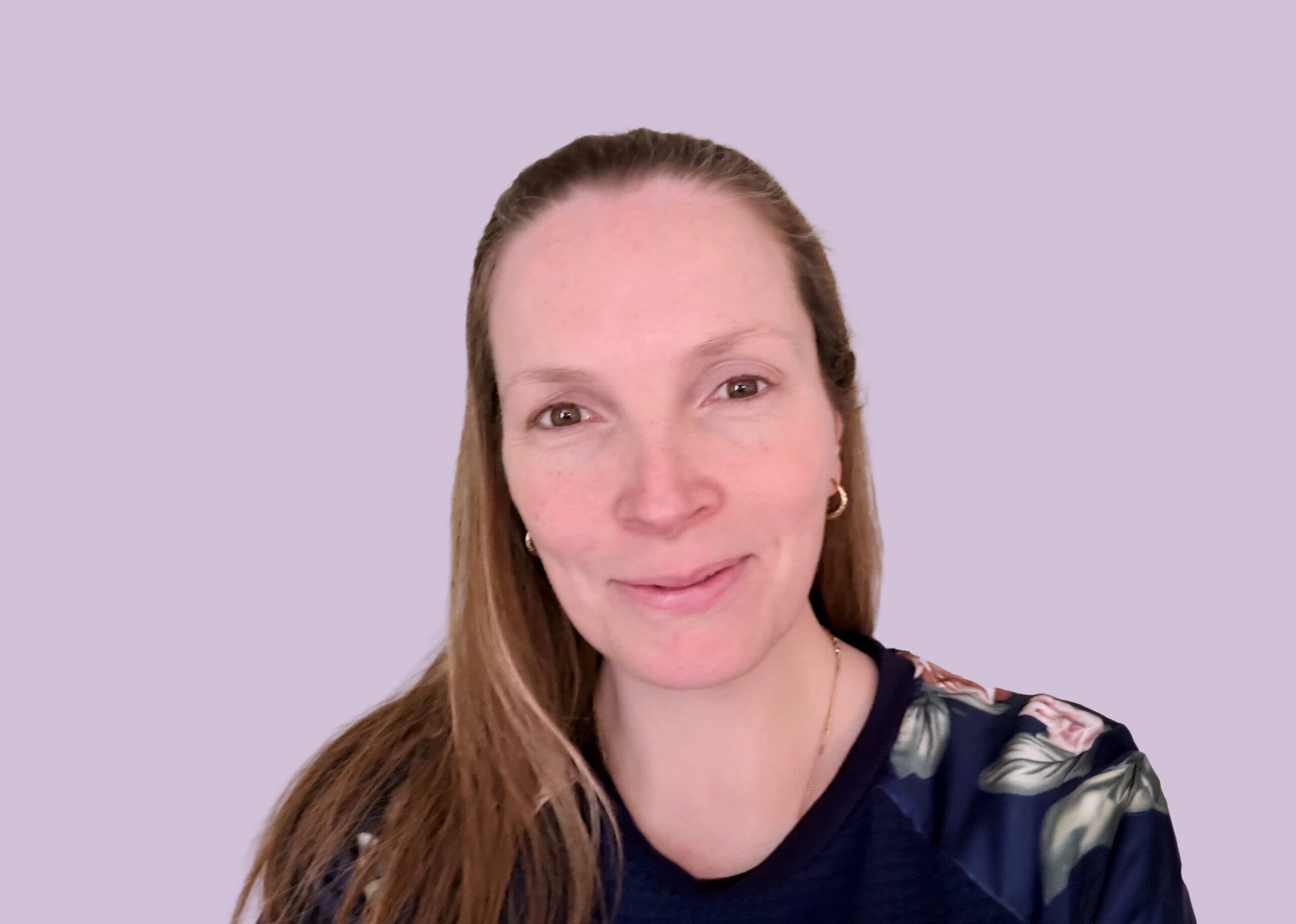
Head of Commissioning in Children’s Services: Emma on placements, partnerships and improving outcomes
With over a decade of experience working within Local Authorities, Emma brings a deep understanding of the challenges facing children’s services today. We spoke to her about her role, what drives her, and the difference she hopes to make for children, families and partners.
What does the Head of Commissioning role involve, and why is it so important to the work we do at Wilderness Way?
“The Head of Commissioning role is a new position here at Wilderness Way. At its heart, the role is about people, relationships, and making sure the right homes are found for the right children at the right time.
My key responsibilities include leading our very lovely Referrals Team, as well as building and strengthening relationships with Local Authorities. I will work in a solutions-focused way to support with placement pressures, keep up to date with the needs of Local Authorities and changes across the sector, and provide insight to our leaders on what Local Authorities need now and going forward.
This role is central to what we do. It helps maintain strong, trusted relationships with Local Authorities and ensures that more children can access the safe, stable homes we offer. I will be supporting the Referrals Team so that we have the right systems, processes and resources in place, and so that we remain responsive to what the sector needs.
Ultimately, commissioning is about getting the right service for the right child, at the right time and in a way that makes the best use of available resources and all of us play a part in that.”
What first drew you to working in children’s services, and how has this shaped the leader you are today?
“I first started working in Children’s Services 13 years ago and have been LA-based until joining Wilderness Way at the beginning of March. I started in a part-time panel administrative role, which was the right thing for my family at that time. I have worked my way up from administration through various placements, commissioning and quality assurance roles, and moved to Wilderness Way from a Service Manager role at Bradford’s very busy Placement Coordination Service. It is thanks to the managers and leaders who believed in me, supported me and gave me opportunities to grow that my career has progressed to where it is today. Working different roles and at different levels has added to who I am both at work and at home. I am open, honest, approachable and genuine. I will listen and ask for people’s input, and I always try to ensure that people feel valued and appreciated. Restorative and relational practice are fundamental to how I work, and I want to listen to and act on the voice of children. By working positively together, we can make the most difference.”
What made Wilderness Way feel like the right next step and what stood out about our approach?
“During my time in Local Authorities, I was involved in the commissioning of many placements with Wilderness Way, and I have worked with Simon Barton (Commercial Director) a number of times over these years. I understand the company’s model, the difference made for children and the need for services such as these; this, coupled with my knowledge of the market and sufficiency pressures Local Authorities face, will help me in the role. When the opportunity came up, I was cautiously curious, and then I was so inspired following my initial conversation with Simon and Eva that I knew I had to apply. Thankfully, the interview went well! I know I can make a difference here, more of a difference than I could in a Local Authority.
Values are incredibly important to me. Wilderness Way’s values really resonate with me on a professional basis, but also on a personal basis. For me, it is important when a company’s values that you live by at work can also be brought into your home life.”
What are some of the key challenges you’re seeing across the sector at the moment?
“Having seen the rise in unregistered providers across the country, and the difference in quality and experiences that children can have in these placements, I am committed to reducing the number of children placed in these settings.
Sufficiency pressures often mean that children with the highest level of need are placed in unregistered provision. Local Authorities need solutions from trusted, registered providers, and as part of my role I plan to reach out to explore how Wilderness Way can be part of that solution.”
Is there an area of children’s services you feel particularly passionate about?
“I feel strongly that children’s education and future life chances should not be disadvantaged because they learn differently from their peers, and that accessing the right education provision should not be a battle.
As a SEND parent, I have experienced first-hand the impact neurodiversity, whether diagnosed or undiagnosed, can have on a child and on family life. It affects education, relationships, and day-to-day life, and at times it can be all-consuming.
In my previous role in Bradford, I saw many children coming into care where neurodiversity was suspected. I also saw how a lack of understanding, limited support, and long waits for diagnosis were contributing factors, not only in children entering care, but also in shaping their experiences once they were there.
It’s something I would really like to explore further, as I believe there is more that can be done. A high proportion of children in care are neurodiverse, or are on a waiting list for a neurodiversity assessment, and it’s so important that the right understanding, support and environments are in place to help them thrive.”
A focus on better outcomes for children
Emma’s passion for relationships, collaboration and doing the right thing for children sits at the heart of her work. As she continues to build strong partnerships with Local Authorities and lead our Referrals Team, her focus remains clear, helping ensure more children can access safe, stable homes where they are understood, supported and able to thrive. Thank you, Emma, for sharing your experience and insights.